26th April at 7.35pm: A quick update. Many parcels have left today. The situation is as follows, we still have one order left to process for the 10th (Paris retailer), one for the 11th and a lot more still for the 15th through to the 18th - mostly USA wholesale orders. The plan now is to work on orders across the weekend and by no later than Tuesday 30th - every order placed upto the 18th will be dispatched. Ideally they will all be out by Monday 29th but based on how I called it wrong recently I think it's better to call it for Tuesday. I'll update on order lead times for the 19th onwards on Monday 29th. It goes without saying that I am very sorry about the lead-time but like the lab and staff, it is now just a matter of a month or so before we are better organised, holding larger stocks of each aromatic, and in turn the lead-times will drastically improve going forward. Ok, back on Monday and thank you to everyone for the continued support. Thank you, Adam : )
23rd April at 4.10pm: Unfortunately, regarding the message below and lead-times, I called it wrong. My apologies. As such all orders placed upto the 15th - and about half of those placed on the 16th, will leave by Friday 26th. On Thursday no collections are possible by couriers as it's a national holiday here in Italy. On the subject of SDS, the company handling this for us, has written to me today, acknowledged more are owed to us (submitted in December and January) and that they are now working on producing the final lot of SDS for us. This includes Plantation, Wild and Jungle ouds that many of you ask about. Next, I have spent the past year (literally) sampling ambrette seed e.o and absolutes from various producers and resellers to no avail. They all smell really poor compared to what I carried. They are too nutty, too fatty, too vegetative, too lacklustre, falling away very fast, and really dont showcase the musky textured qualities of a top ambrette properly. Even the big naturals brands are all obtaining and selling sucky poor man's ambrette at the moment. Written as I have decided to move over to carrying ambrette CO2 and this will be in place until I can find a wow absolute and E.O again. CO2 is still not on par with what I had, but it offers a far better profile on the musky front than the abs and e.os in the market place right now. This CO2 will be in stock by early May. Next, we will put all the non.eu destinations we can supply to, back on our website on May 6th - so U.A.E, UK, Switzerland, Saudi Arabia, Singapore and Australia. On the new product front, the next batch of 10 superstars will be released on the 20th May - lots more roses planned. And I will get started on expanding the bulk wholesale side of the business very soon - more aromatics and offered in larger weights as standard - likely upto a kilo on the website. Ok I will write again by Monday. Thank you, Adam : )
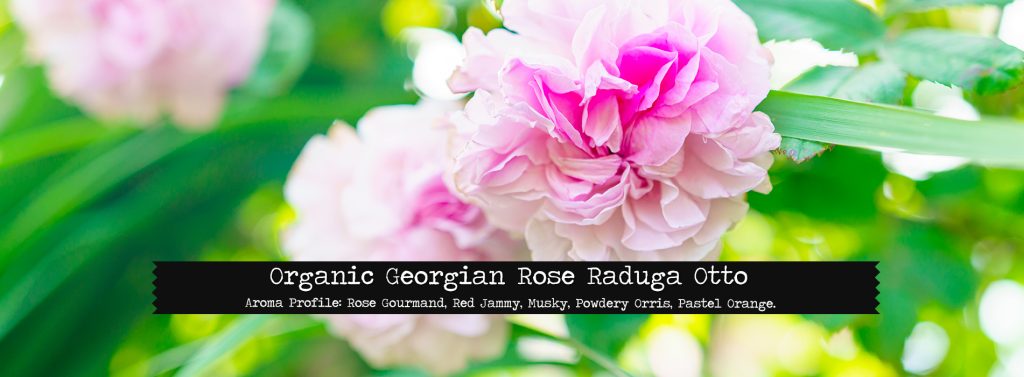
19th April at 5pm: Quick update to first say I have now added the following big ticket aromatics to the website: Italian Oakwood Absolute, Organic Georgian Rose Raduga Otto and finally Persian P.E.A Intense Rose (Otto). Orders, as I type with exception to 3 orders, every order placed up until the 11th has left with the couriers. By Monday 22nd, all orders placed up until the 14th will leave with couriers and I will type again across Monday with another update. Bulk Wholesale orders that still need to be manually typed and billed will be done so by Tuesday 23rd. Thank you, Adam : )
15th April at 5.30pm: Today I am running behind but I am happy to say that along with all E.U countries, we now can supply to the USA again. USA switched on just now and the Mysore Sandalwood 4 year aged E.O offer is extended for a week for USA clients to enjoy too. By Wednesday 17th all orders from the 9th April will be dispatched with DHL. Although we are rather full-on with orders at the moment, the lead time will improve significantly very shortly. Reason being since reopening the focus has been solely on building stocks up and we have staff coming on as well now (at last!). I will write again on Wednesday regarding lead times. This week my tasks are to get on top of the SDS we are owed by the company we have employed to handle this. And other than this I am adamant I will update the bulk wholesale list with more aromatics. Finally for now - the following 11 aromatics have recently been added to the site - French Rose Geranium E.O, Sandalwood Mysore E.O 4 Year Aged, Tuscan Olive Leaf Absolute, Mitti Attar (Petrichor), Persian Queen of Roses (Otto), Tomato Leaf Absolute, Oud Assami Skank E.O V.1, South Indian 10 Year Aged Vetiver E.O, Bengali Nagarmotha E.O, VIolet Leaf Concrete, Italian Helichrysum Absolute S.G. Thank you, Adam : )
USA SHIPPING JUST €8.99 ON ORDERS OVER €350 STARTING FROM MAY 2024 shipping to Rest of the World will resume.
Welcome to the official Hermitage Oils website, based in Tuscany, Italy. We currently offer over 350 specialist essential oils, absolute oils, CO2 extracts, natural isolates, extraits by enfleurage, balsams, resins, oleoresins, resinoids and artisan perfumery materials.
There is a minimum order spend of €100 for E.U countries and €200 for the Non-E.U countries we supply. Normally, orders are dispatched within three working days. And now that we are based in Italy, we have set up a website exclusive for Italy. To view the Italy website please click the Italian flag at the top of this page. Thank you.
USA SHIPPING JUST €8.99 ON ORDERS OVER €350 STARTING FROM MAY 2024 shipping to Rest of the World will resume.
Our website uses cookies to give you the best experience. By clicking “Accept All”, you consent to the use of ALL cookies. However, you may visit "Cookie Settings" for options.
This website uses cookies to improve your experience while you navigate through the website. Out of these, the cookies that are categorized as necessary are stored on your browser as they are essential for the working of basic functionalities of the website. We also use third-party cookies that help us analyze and understand how you use this website. These cookies will be stored in your browser only with your consent. You also have the option to opt-out of these cookies. But opting out of some of these cookies may affect your browsing experience.
Necessary cookies are absolutely essential for the website to function properly. These cookies ensure basic functionalities and security features of the website, anonymously.
Cookie
Duration
Description
cookielawinfo-checkbox-analytics
11 months
This cookie is set by GDPR Cookie Consent plugin. The cookie is used to store the user consent for the cookies in the category "Analytics".
cookielawinfo-checkbox-functional
11 months
The cookie is set by GDPR cookie consent to record the user consent for the cookies in the category "Functional".
cookielawinfo-checkbox-necessary
11 months
This cookie is set by GDPR Cookie Consent plugin. The cookies is used to store the user consent for the cookies in the category "Necessary".
cookielawinfo-checkbox-others
11 months
This cookie is set by GDPR Cookie Consent plugin. The cookie is used to store the user consent for the cookies in the category "Other.
cookielawinfo-checkbox-performance
11 months
This cookie is set by GDPR Cookie Consent plugin. The cookie is used to store the user consent for the cookies in the category "Performance".
viewed_cookie_policy
11 months
The cookie is set by the GDPR Cookie Consent plugin and is used to store whether or not user has consented to the use of cookies. It does not store any personal data.
Functional cookies help to perform certain functionalities like sharing the content of the website on social media platforms, collect feedbacks, and other third-party features.
Performance cookies are used to understand and analyze the key performance indexes of the website which helps in delivering a better user experience for the visitors.
Analytical cookies are used to understand how visitors interact with the website. These cookies help provide information on metrics the number of visitors, bounce rate, traffic source, etc.
Advertisement cookies are used to provide visitors with relevant ads and marketing campaigns. These cookies track visitors across websites and collect information to provide customized ads.


 USA SHIPPING JUST €8.99 ON ORDERS OVER €350